

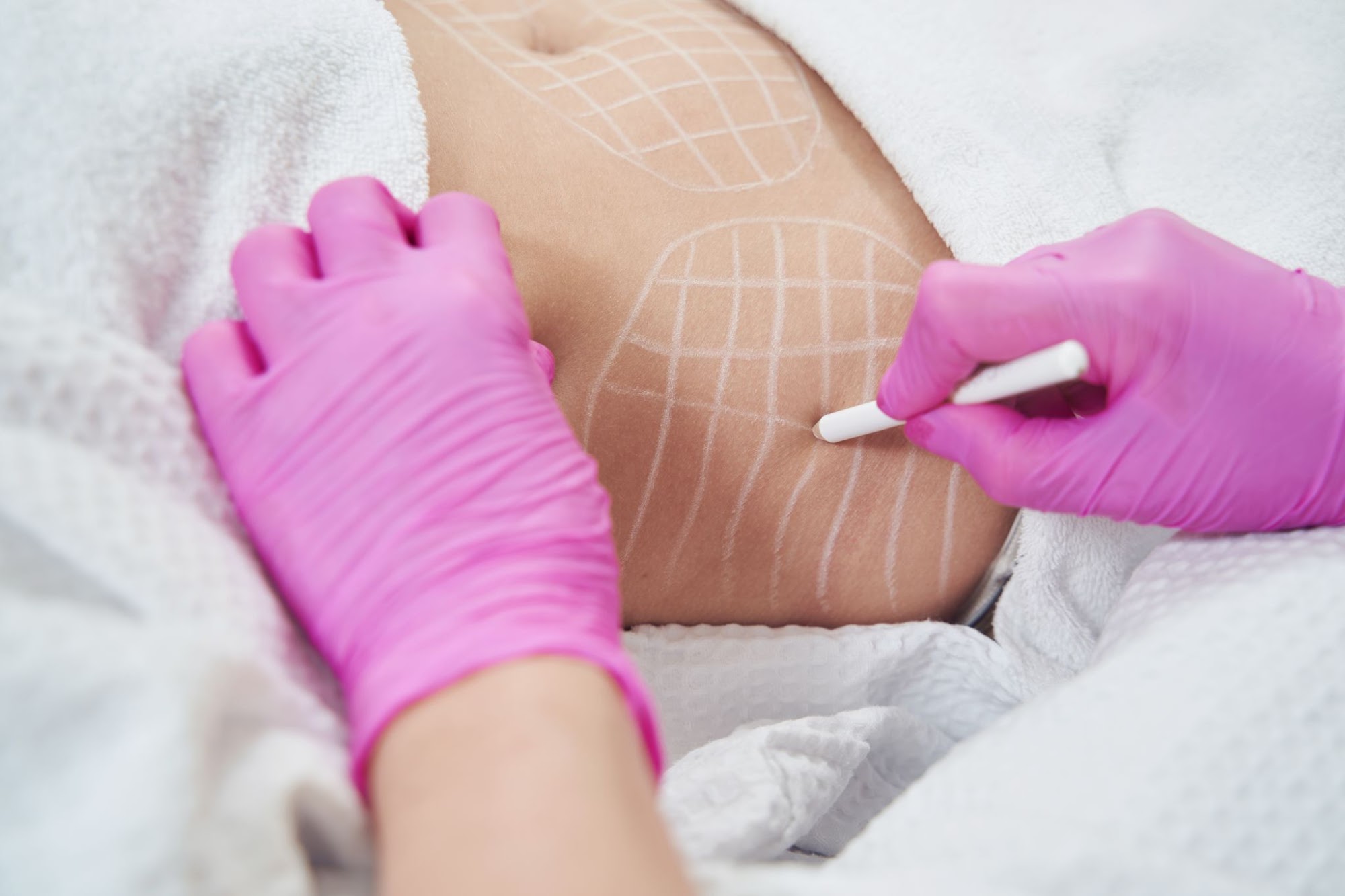
When stubborn fat won’t budge, liposuction and CoolSculpting are two popular fat-reduction options. Both effectively reduce fat and contour the body, but each uses a different approach and offers unique benefits.
The Lett Center near Nashville specializes in surgical and non-surgical fat reduction and body contouring, including liposuction and CoolSculpting. We created this guide to help patients understand how each treatment works and the key differences so they can determine which option best fits their fat-reduction goals.
Liposuction vs. CoolSculpting Comparison Summary
| Feature | Liposuction | CoolSculpting |
|---|---|---|
| Primary Goal | Fat reduction for large areas of resistant fat | Fat reduction for small pockets of resistant fat |
| Type of Procedure | Surgical | Non-Surgical |
| Method | Fat is removed through a thin tube and suction | Controlled cooling damages targeted fat cells |
| Anesthesia | Local anesthesia, sedation, or general anesthesia | None |
| Incisions | Small incisions | None |
| Downtime/Recovery | Roughly 1-2+ weeks to normal activity; 4–6+ weeks to strenuous activity | Little to no downtime |
| Number of Treatments | Usually one procedure | More than one session may be needed |
| Fat Removed | More significant | More limited |
| Results Timeline | Gradually, over 1-6 months, as swelling improves | Gradually, over several weeks to months, as the body clears the treated fat cells |
| Best For | Larger or multiple areas of stubborn fat | Smaller, pinchable pockets of fat |
What Is Liposuction and How Does It Remove Fat?
Traditional liposuction, also called suction lipectomy, is an outpatient surgical procedure that removes localized fat and contours targeted areas of the body. It is performed under anesthesia by a plastic surgeon who makes small incisions and uses a thin tube, called a cannula, to loosen and suction out fat.
What is CoolSculpting and How Does It Work?
CoolSculpting is an FDA-cleared, non-surgical fat reduction procedure that uses controlled cooling called cryolipolysis to target and freeze fat cells beneath the skin. An applicator is placed over a localized pocket of fat to cool the tissue, damaging the fat cells without making an incision. The body then gradually processes and removes the treated fat cells over the following weeks and months.
What Are The Main Differences Between Liposuction and CoolSculpting?
Liposuction and CoolSculpting are both procedures that may be office based fat-reduction procedures that effectively target stubborn fat. They differ in method, invasiveness, recovery time, the extent of results, number of treatments, and cost.
Surgical vs. Non-Surgical Fat Reduction
Traditional liposuction is an outpatient surgical cosmetic procedure performed in an operating room or accredited surgical facility. It requires some form of anesthesia, small incisions, and a postoperative recovery period.
CoolSculpting is a non-surgical treatment performed by a trained provider in a medical office. It is non-invasive, does not require anesthesia, incisions, or downtime.
Recovery
Liposuction requires a surgical recovery period. Time off work and activity depends on the amount of fat removed, areas treated, and individual healing. Most patients take 1-2 weeks off work and should plan for at least 4-6 weeks before resuming full activity. Swelling, bruising, soreness, firmness, and temporary numbness are common, and a compression garment may be needed.
One of the top benefits of CoolSculpting is minimal to no recovery time or downtime. You may have mild redness, swelling, bruising, tenderness, aching, or numbness, but most people can return to work and normal activities immediately.
Amount of Fat Reduction
Liposuction removes more fat in a single procedure and usually results in a more noticeable and predictable change in body contour. CoolSculpting targets smaller, localized fat deposits and produces more modest results that vary by patient.
This does not mean CoolSculpting is ineffective. Studies of cryolipolysis, the fat-freezing technology behind CoolSculpting, show up to a 25% reduction in subcutaneous fat at the treatment site after a single treatment. It simply means it isn’t as dramatic.
Results Timeline and Number of Treatments
Most patients achieve their desired results with one liposuction surgery. However, treating several large areas or removing more than 5 liters of aspirate may require separate procedures. While a subtle change in contour is often visible immediately after surgery, results are not immediate due to postoperative swelling and fluid retention. This typically subsides over one to three months, with results continuing to refine for three to six months.
CoolSculpting may show visible changes after one session, but multiple treatments are often needed based on the area and desired fat reduction. Like liposuction, results are not immediate. They appear within several weeks and continue to improve over the next few months as the body clears the treated fat cells.
Cost Structure
Liposuction has a higher upfront cost because the total includes the procedure, surgeon’s fee, anesthesia, facility charges, follow-up appointments, and often post-op prescriptions and compression garments.
CoolSculpting is less expensive than liposuction, but the total cost varies by treatment area, number of applicator cycles, and sessions required.
Is CoolSculpting Safer Than Liposuction?
CoolSculpting avoids many risks linked to liposuction because it does not require surgery or anesthesia. However, it is not risk-free. Each procedure has its own potential side effects and complications.
Liposuction Risks and Side Effects
Swelling, bruising, soreness, temporary numbness, and fluid drainage from the incisions are common after liposuction. Possible risks include infection, fluid buildup, uneven contours, changes in skin sensation, poor wound healing, and anesthesia-related risks.
Serious complications, such as blood clots or injury to deeper tissues, are rare but possible. Risks increase when larger amounts of fat are removed, multiple areas are treated, or liposuction is combined with other procedures.
CoolSculpting Risks and Side Effects
Reported side effects after CoolSculpting include mild redness, swelling, bruising, tenderness, pain, skin discoloration, and temporary numbness in the treated area. Less common complications include persistent numbness, nodules, freeze burns, and temporary nerve damage in certain treatment areas.
CoolSculpting also carries a risk of paradoxical adipose hyperplasia (PAH), where treated fat becomes larger and firmer instead of shrinking. However, this complication is rare; a 2025 systematic review estimates its incidence at 0.22%, or about 1 in 455 patients. If PAH occurs, it does not resolve on its own and may require surgery to correct.
Liposuction or CoolSculpting: Which Fat Reduction Option Should You Choose?
The best fat reduction procedure depends on how much fat you want to reduce, the areas you want to treat, your skin quality, desired results, and your comfort with surgery and recovery.
- Choose liposuction if you are healthy enough for surgery, comfortable with downtime, need to treat larger areas, and want a more dramatic change.
- Choose CoolSculpting if you prefer non-surgical fat reduction with no downtime, have smaller fat pockets, and understand that results will be more modest and gradual than with liposuction.
The best way to determine which body contouring procedure is right for you is to schedule a consultation with a qualified plastic surgeon who can evaluate your goals, fat distribution, and skin quality. You can also read “The Ultimate Body Contouring FAQ Guide.”
Are There Other Fat-Reduction Options Besides Liposuction and CoolSculpting?
Yes. There are several alternatives to liposuction and CoolSculpting. One that falls between the two in terms of invasiveness is BodyTite, a minimally invasive procedure that uses radiofrequency-assisted liposuction to remove localized fat while simultaneously helping tighten skin in the treated area. To learn more, read “When to Choose BodyTite Over Liposuction.”
There are also surgical alternatives to liposuction, such as a tummy tuck, but they shift the focus from simply vacuuming out fat cells to physically cutting away excess skin and tissue.
Other Liposuction and CoolSculpting FAQs
Is CoolSculpting as effective as liposuction?
CoolSculpting effectively reduces small pockets of fat but does not remove as much fat as liposuction. It is generally better if you have isolated fat pockets and want modest fat reduction.
Are liposuction and CoolSculpting results permanent?
Both liposuction and CoolSculpting results are considered permanent because they destroy the fat cells in the treated area. Once removed, they are gone forever. However, remaining fat cells can enlarge with weight gain, so maintaining results depends on weight management.
Is liposuction or CoolSculpting better for weight loss?
Neither procedure is intended for weight loss, which involves reducing overall body mass. Liposuction and CoolSculpting target limited fat in specific areas. They can improve body shape and clothing fit but are not designed for significant weight loss.
Fat Reduction in Middle Tennessee at The Lett Center
If you are considering cosmetic fat reduction, The Lett Center in Mt. Juliet and Lebanon, Tennessee, offers surgical, minimally invasive, and non-surgical body contouring options.
Dr. Dwayne Lett is a double board-certified esthetic and reconstructive plastic surgeon specializing in surgical and non-surgical body contouring. Contact us to schedule a consultation and determine which fat-reduction procedure is right for you.
Disclaimer: The information provided in this guide is for educational purposes only and does not constitute formal medical advice. Individual surgical safety thresholds, volumes, and treatment candidates must be personally evaluated by a qualified, board-certified plastic surgeon.
Sources
FDA – Non-Invasive Body Contouring Technologies
PMC – Cryolipolysis for noninvasive body contouring: clinical efficacy and patient satisfaction
Aesthetic Surgery Journal – Incidence of Paradoxical Adipose Hyperplasia After Cryolipolysis: A Systematic Review and Meta-Analysis PMC – Cryolipolysis for Fat Reduction and Body Contouring: Safety and Efficacy of Current Treatment Paradigms Aesthetic Surgery Journal – A Multicenter Evaluation of Paradoxical Adipose Hyperplasia Following Cryolipolysis for Fat Reduction and Body Contouring: A Review of 8658 Cycles in 2114 Patients
American Board of Cosmetic Surgery – Liposuction American Board of Cosmetic Surgery – Non-Surgical Fat Reduction American Society of Plastic Surgeons – Liposuction American Society of Plastic Surgeons – Nonsurgical Fat Reduction – Cryolipolysis