

WHAT IS PDO THREADING?
PDO LIFTING + SMOOTH THREADS
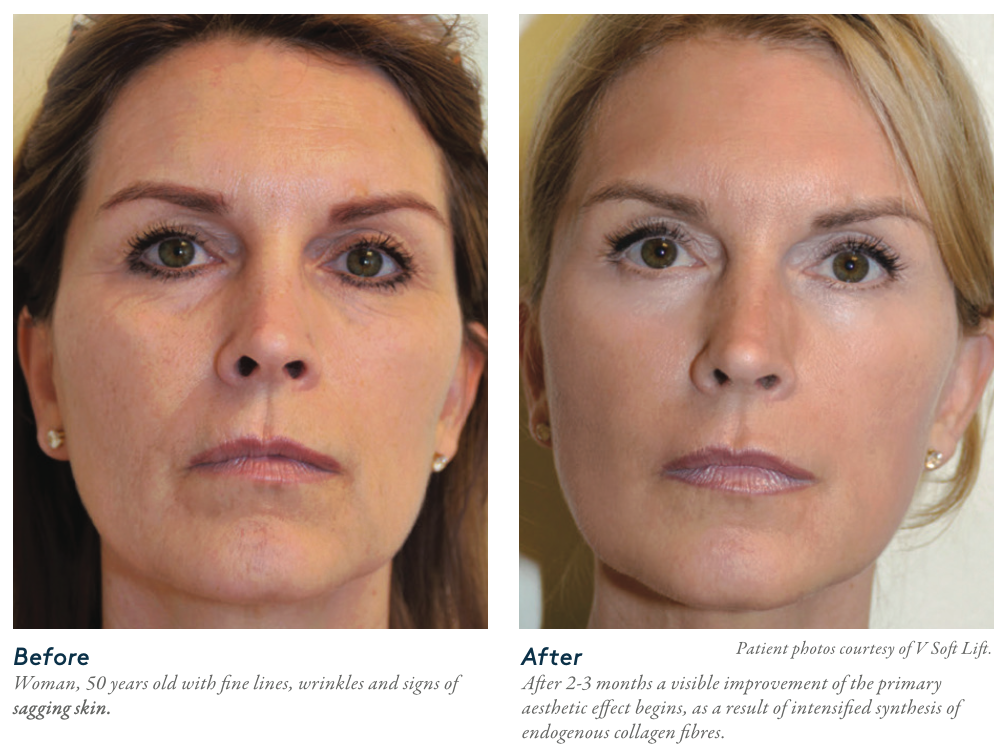
If you are looking to reverse the signs of aging without undergoing a surgical facelift, a PDO thread lift offers a minimally invasive, highly effective solution. At The Lett Center, we provide advanced polydioxanone (PDO) thread treatments at our Mt. Juliet clinic to naturally lift sagging skin, smooth deep wrinkles, and stimulate long-term collagen production.
REASONS FOR PDO THREADING
The best part about a non-surgical thread lift is there is no downtime!
You may have heard of the two other types of thread lift procedures using threads made from polylactic acid (PLA) and polycaprolactone (PCA). However, of the three, PDO threads have been around the longest; surgeons first started using them in the 80s.
WHAT ARE PDO THREADS MADE OF?
PDO threads are made of polydioxanone, an ultra-thin medical-grade suture. The placement of the threads is customized to each individual’s skin type and goals to ensure optimal results.
Like fillers, lifting threads are placed under the skin through a small cannula, similar to other volumizing procedures. Collagen production begins once the threads are inserted, giving immediate results lasting up to 2 years.
WHAT IS A PDO THREAD LIFT?
A PDO thread lift is a non-surgical facelift that treats fine lines, wrinkles, and sagging skin in less than an hour, with results that can last up to 18 months. This non-surgical aesthetic procedure uses medical-grade, dissolvable polydioxanone sutures to smooth, tighten, add support, and boost natural collagen production in your skin with little downtime. For the procedure, an aesthetician uses needles to insert and anchor threads into different skin layers. They may use between 1-15 threads to lift and tighten sagging skin in problem areas. Quick with natural-looking, subtle results, threading is perfect for people who want lifted, tighter skin without going under the knife for a facelift.
WHO IS PDO THREADING FOR?
Ideal Candidates: Individuals in their late 30s to late 50s experiencing early signs of jowling, sagging cheeks, or skin laxity who still have relatively good skin elasticity.
Who Should Skip It: Patients with severely thin or sagging skin. For these individuals, we typically recommend a consultation with our specialists to discuss a potential facelift or structural surgical options.
WHERE ARE THE PDO THREADS PLACED?
The collagen baby threads are placed in the mid to lower face, depending on where the patient needs correcting, laugh lines, wrinkles, and other fine lines.
HOW DOES A POLYDIOXANONE (PDO) THREAD LIFT WORK?
PDO threading uses small biodegradable polyester sutures to lift and tighten the skin. The colorless polyester threads break down in your body after approximately six months, but their benefits last much longer. PDO threads trigger fibroblasts to produce more collagen in your skin. If you know anything about skincare, collagen is essential since it is the protein that gives structure and elasticity to your skin, keeping your look youthful.
WHERE CAN YOU USE PDO THREADS?
You can treat many areas with PDO threads, and not just on your face. Although, people commonly request PDO threads for their necks or an eyebrow lift.
Other treatment locations include:
- Lip border
- Cheeks
- Jowls
- Upper neck
- Decolletage
- Upper arms
- Stomach
- Thighs
- Knees
- And even acne scars
CAN PDO THREADS BE COMBINED WITH OTHER TREATMENTS?
Absolutely! PDO threads can be seamlessly integrated with a variety of other aesthetic procedures to maximize your results. By combining treatments, you can address multiple skin concerns simultaneously and achieve a more comprehensive rejuvenation.
Here’s how:
- Wrinkle Reduction: Pair PDO threads with neuromodulators or neurotoxins like Botox® to smooth out fine lines and prevent new wrinkles from forming.
- Volume Restoration: Use dermal fillers alongside PDO threads to add volume to hollow areas, ensuring a youthful, plump appearance.
- Skin Texture Improvement: Incorporate laser treatments or microneedling to enhance skin texture and tone. These procedures work well with PDO threads to provide a more radiant and even complexion.
- Sagging Skin: PDO threads are excellent for lifting sagging skin, but when combined with other collagen-stimulating treatments like radiofrequency therapy, the effects can be substantially amplified.
WHY COMBINE TREATMENTS?
Combining PDO threads with other procedures allows for a synergistic effect, where the benefits of each treatment are enhanced. By addressing different aspects of skin aging and rejuvenation, you achieve a more balanced and natural look.
WHAT TO CONSIDER
When planning a combination treatment strategy, always consult with a qualified healthcare professional to tailor the procedures to your specific needs and goals. This ensures optimal safety and effectiveness, allowing you to enjoy the best possible results from your aesthetic treatments.
WHY CHOOSE PDO THREADS?
PDO threads are a trusted choice in the world of aesthetic treatments, having been used since the 1980s. These threads are made from a colorless polyester that naturally degrades in the body over about six months, making them a safe and reliable option.
The magic of PDO threads lies in their ability to stimulate fibroblast cells, prompting the production of collagen—the protein that maintains the skin’s structure and elasticity. As collagen production diminishes with age, PDO threads offer a solution by revitalizing the skin from within.
TYPES OF PDO THREADS
PDO threads are versatile and can be categorized into three main types:
- PDO Mono Filaments: These smooth sutures encourage collagen formation, helping to rejuvenate your skin.
- PDO Gear Threads: Equipped with barbs, these threads hook into the skin like tiny fishhooks, providing support and lift to the face.
- PDO Threaded Screws: Comprising one or two interlaced threads, these are ideal for restoring volume in areas with sagging skin.
COMPARING WITH OTHER THREADS
While newer alternatives like PLA and PCA threads exist, PDO threads remain unmatched when it comes to tissue restoration and revitalization. PLA threads take about 12 months to absorb, and PCA threads last up to 15 months, both offering enhanced lifting effects. However, if your goal is to rejuvenate and restore, PDO threads stand out as the superior choice.
Incorporating PDO threads with other aesthetic procedures not only amplifies the benefits but also targets various dimensions of aging, leading to a harmonious and refreshed appearance.
IS A PDO THREAD LIFT RIGHT FOR YOU?
A thread lift may be a suitable option for individuals who:
- Are beginning to notice the initial signs of aging.
- Are typically between the ages of 35 and 55.
- Prefer subtle improvements rather than drastic changes.
- Wish to steer clear of traditional cosmetic surgeries.
- Have previously undergone more invasive procedures, like a facelift or neck lift, and are looking to enhance their results.
Furthermore, thread lifts present a viable, low-risk alternative for those with specific medical conditions, such as high blood pressure, diabetes, or heart disease, that might preclude them from undergoing standard facelifts. This makes the procedure accessible to a broader range of individuals seeking facial rejuvenation without the need for extensive surgery.
HOW DO I PREPARE FOR A PDO THREAD LIFT?
Proper preparation is the best way to minimize bruising, reduce swelling, and ensure a smooth, comfortable treatment session. To protect your skin and maximize your clinical results, please follow these pre-treatment guidelines in the days leading up to your appointment:
- Avoid blood-thinning supplements: Avoid fish oil, Vitamin E, ginkgo biloba, and high doses of garlic for at least 7 days prior to your procedure to prevent blood-thinning.
- Pause anti-inflammatory medications: Do not take aspirin, ibuprofen (such as Advil or Motrin), and naproxen (Aleve) for 3 to 5 days beforehand, as these can also thin the blood.
- Skip the alcohol: Do not consume alcoholic beverages for at least 24 to 48 hours before your treatment, because alcohol dilates blood vessels and significantly increases the risk of post-procedure bruising.
- Hold off on aggressive skincare: Discontinue the use of topical retinoids (like Retin A or retinol), glycolic acids, or other strong exfoliating products 3 days before your appointment to prevent skin sensitivity.
- Clear up active infections: If you experience a dental infection, a severe acne flare-up, a cold sore, or any open skin irritation in the treatment zone, please contact our office to reschedule your session until your skin has fully healed.
PDO THREAD LIFT PROCEDURE
A thread lift treatment only takes minutes with no scalpel or anesthesia. Before the procedure, your doctor or clinician will communicate any potential complications and post-procedure care.
During the procedure, your provider will likely use a local anesthetic to numb the areas they will work on. Then, they will insert the threads into the skin via sterile needles called cannulas. The barbed threads grab the skin, and the provider pulls the threads to lift and tighten loose skin. The PDO threading procedure is quick and takes only 15 – 60 minutes.
Shortly after the procedure, you will be able to go home. You may feel the threads in your skin initially, but they eventually dissolve.
BENEFITS OF PDO THREADING
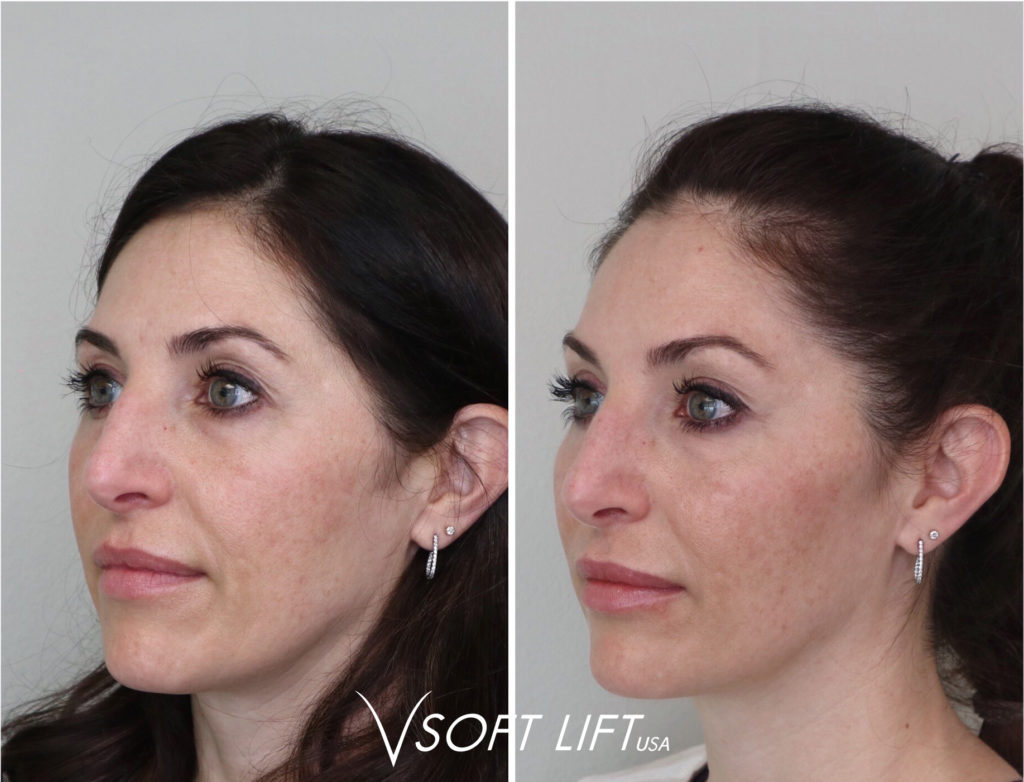
Placing collagen baby threads into your skin provides a refreshed, tightened look. The key benefits of PDO threading include:
- Lighting and Tightening
- Minimal Downtime
- Reduces Wrinkles
- Smoothes Fine Lines
- Stimulation of Collagen Production
PDO threading is a low-risk procedure that provides results that can last 18 months to a few years.
WHAT DOES A PDO THREAD LIFT FEEL LIKE?
While the procedure is performed under local numbing to minimize discomfort, it is completely normal to experience some mild soreness, pain, or tenderness for a few days afterward. This can be easily managed with over-the-counter pain relievers, allowing you to return to your daily activities with ease.
As you heal, you will not feel the individual threads to the touch, but you should expect the following normal sensations:
- Mild Tightness: A localized “tugging” feeling when you smile, yawn, or chew.
- Natural Settling: This temporary tightness indicates the threads are anchoring properly and will fade as they blend into your facial contours.
- Manageable Soreness: Any minor discomfort will steadily subside, allowing you to return to your daily activities with ease.
PDO THREAD DOWNTIME
One of the most significant advantages of a PDO thread lift is the minimal downtime required. Often called a “lunchtime facelift,” this procedure allows many patients to return to their daily activities almost immediately. However, a complete recovery unfolds over a couple of weeks, and understanding the day-by-day process can help you prepare and ensure the best possible results.
While there is technically no downtime in the traditional sense, the PDO threading recovery time involves a brief period of mild side effects and aftercare. Most patients experience some swelling, bruising, and tenderness in the treated areas, which are typically most noticeable in the first 24 to 72 hours. These effects are temporary and a normal part of the healing process.
WHAT TO EXPECT AFTER A PDO THREAD LIFT
Patient safety and comfort are our top priorities at The Lett Center. While a PDO thread lift is a safe and minimally invasive treatment, it is normal to have questions about your recovery.
WHAT SHOULD YOU NOT DO AFTER A PDO THREAD LIFT?
To protect your investment and ensure your threads stay securely in place, please avoid the following during your recovery:
- Do not sleep on your stomach or side: For the first 5 to 7 days, sleep flat on your back with your head slightly elevated on extra pillows to prevent shifting or putting unnecessary pressure on your face.
- Avoid excessive facial movements: For the first 2 weeks, do not make exaggerated facial animations, yell, yawn widely, or use straws, as these actions can overstretch the treated areas.
- Postpone dental work: Do not schedule any non-emergency dental cleanings or procedures for at least 3 to 4 weeks after thread placement to avoid over-opening your mouth and straining your facial muscles.
WHAT IS THE RECOVERY TIMELINE FOR A PDO THREAD LIFT?
To give you a clearer picture of the PDO threading healing process, here is a general timeline of what you can expect after your procedure:
- First 24 Hours: Swelling and tenderness are common and may peak during this initial period. Applying a cold compress for 10-15 minutes at a time can help reduce swelling. It is best to rest, stay hydrated, and avoid touching or washing your face for at least the first 12-24 hours. Most patients feel comfortable returning to work and light activities on the same day.
- Days 2-3: Swelling and bruising may still be present but should begin to fade. After the first 24 hours, you can gently wash your face with a mild cleanser. Continue to sleep on your back with your head elevated to minimize swelling. You may still feel some tightness or pulling, which is a normal sensation.
- First Week (Days 3-7): You will notice a significant improvement in swelling and bruising each day. Light activities are perfectly fine, but you should continue to avoid strenuous workouts, excessive facial movements (like wide yawning), and chewing gum. You can typically resume your regular skincare routine and showering 1-2 days after the treatment.
- Weeks 2-4 and Beyond: By the second week, most of the visible side effects should be gone. You can usually return to your full workout routine and other activities. Any lingering tightness will continue to fade. Your results will continue to improve as your body produces more collagen, with the full, beautiful effects of the treatment becoming visible around 3-4 months post-procedure.
POSSIBLE PDO THREAD LIFT SIDE EFFECTS
While PDO thread lifts are much safer than surgical facelifts, it’s important to understand that no procedure is entirely risk-free. During your consultation, a qualified professional will thoroughly discuss all the risks and benefits, ensuring you’re well- informed before making a decision.
Though minor complications rarely occur, they can be easily corrected. Possible complications include:
- Visible sutures (threads)
- Pain
- Minor bruising
- Soreness
- Infection at the insertion site
- Blood pooling (hematoma)
- Threads snapping
- Inflammation or swelling
- Dimpling
- Skin puckering
- Hair loss
- Salivary gland injury
By engaging in a comprehensive consultation and understanding both the safety and the potential complications, you can make an informed decision about undergoing a PDO thread lift.
Visit a trusted and board-certified clinic to prevent complications and unwanted side effects like thread lift puckering. Contact us at The Lett Center to speak with a highly trained and skilled clinician.
HOW LONG DOES PDO THREADING LAST?
PDO threads give both immediate and long-lasting results. While the collagen baby threads give immediate lifting results, you will see the best results about six to eight months later. After the threads dissolve, your body continues producing collagen to create youthful-looking skin.
The results last about 18 months to a few years. Your aesthetician may recommend maintenance treatments every year to 18 months.
HOW TO MAKE PDO THREADS LAST LONGER
You can prolong the thread lift results if you take good care of your skin and health.
To extend lifting results:
- Drink enough water.
- Wear sunscreen every day.
- Don’t smoke.
- Have a quality skincare routine.
- Eat a healthy diet with skin-boosting vitamins and minerals (Vitamins A, C, D, and E; zinc, collagen, biotin, selenium, and magnesium).
- Take additional supplements for skin health.
HOW MUCH DOES A PDO THREAD LIFT COST?
The cost of a thread lift varies widely depending on the location of the provider, the skill level of the aesthetician, and the demand of the service. Plus, the number of threads required to achieve your desired look and the type of threads used will affect the overall cost.
So, the best way to find out how much PDO threads will cost for you is to book a consultation and discuss your goals with a board-certified plastic surgeon, like Dr. Lett.
That said, the treatment cost can range from around $1,500 to $4,500—and potentially cost as low as $300 to $700 with a coupon or discount. So, a thread lift can be much more affordable than traditional facelift surgery. The average facelift cost can be from $8,000 to $15,000 or higher, not including anesthesia and facility costs.
A word of caution: what seems like a good deal in terms of cost, may end up costing you more down the line. Providers who use inferior quality products or don’t have the skill set required to safely and painlessly insert threads will typically charge less up front. Cheaper services, however, may cause unwanted side effects and require a revision or removal of threads.
IS PDO THREADING WORTH IT?
A majority of our patients who see Dr. Lett say face threading is worth every penny the second your treatment is complete. When performed by a board-certified cosmetic surgeon, not only does a PDO thread lift show significant results instantly, but it also continues to work over time. After just two weeks, you’ll notice skin tone and texture improvements due to collagen production from this treatment. As a result, PDO threading has made a name for itself, considering its immediate skin tightening, lifting, and continual results.
✨ Skin tightening + lifting
✨ Instant and continued results
✨ Skin texture + tone improvements
Keep in mind that results will vary depending on who inserts the threads. Be sure to visit an aesthetician who has the experience and care to properly lift the face with minimal side effects.
UNDERSTANDING THE DIFFERENCES BETWEEN FACELIFTS AND PDO THREADS
When it comes to facial rejuvenation, two widely considered options are facelifts and PDO threads. Both aim to address sagging skin but differ significantly in methods, recovery time, and longevity of results.
FACELIFTS: THE TRADITIONAL APPROACH
Facelifts are surgical procedures ideal for those experiencing considerable sagging and loss of skin elasticity. Here are some key points:
- Invasiveness: Highly invasive, involving incisions and the repositioning of facial tissues.
- Recovery: Requires notable recovery time, often several weeks, due to the extent of the surgery.
- Longevity: Offers long-lasting results, typically up to ten years.
- Cost: Generally more expensive due to the complexity and permanence of the procedure.
PDO THREADS: THE MODERN, MINIMALLY INVASIVE SOLUTION
PDO threads, on the other hand, are a non-surgical option that provides a lift without the need for extensive surgery. Highlights include:
- Invasiveness: Minimally invasive; involves the insertion of biodegradable collagen baby threads to lift the skin.
- Recovery: Minimal downtime, allowing individuals to return to normal activities almost immediately.
- Results: Instant and natural-looking results, though not as permanent as a facelift. Results can last up to one to two years.
- Cost: More affordable compared to facelifts, making it accessible for more people looking for a quick enhancement.
MAKING YOUR CHOICE
If you are looking for a non-surgical option, collagen baby threads are a great choice. Determining between the two procedures depends on the patient’s desired outcome, budget, preferred downtime, and whether they are looking for a temporary fix or a long-term option. Ultimately, the decision between a facelift and PDO threads depends on individual needs and circumstances:
- Severity of Sagging: For severe cases, a facelift might be the best option.
- Budget: Consider the financial aspect and whether a long-term or short-term solution is more appealing.
- Downtime: If minimal recovery time is a priority, PDO threads are preferable.
- Desired Permanence: Facelifts offer longer-lasting results, while PDO threads are a temporary but effective option.
By understanding these differences, you can choose the right path to achieve your desired aesthetic goals.
Frequently Asked Questions About PDO Threading Downtime
To provide further clarity, here are answers to some of the most common questions we receive about PDO threading downtime.
PDO Threading Downtime vs. Other Procedures
When considering facial rejuvenation options, it’s helpful to compare the PDO threading downtime with that of other procedures. This comparison highlights why PDO threads are such a popular choice for those seeking effective results with minimal disruption to their lives.
| Procedure | Typical Downtime | Key Considerations |
|---|---|---|
| PDO Thread Lift | Minimal (2-3 days) | Non-surgical, immediate return to most activities. |
| Surgical Facelift | 2-4 weeks | Surgical procedure requiring significant recovery time. |
| Laser Resurfacing | 1-2 weeks | Involves skin peeling and redness during healing. |
| Dermal Fillers | 1-2 days | Minimal downtime, but primarily for volume, not lifting. |
As the table illustrates, the PDO threading downtime is significantly shorter than that of a surgical facelift, making it an excellent alternative for those who want to avoid a lengthy recovery period. While dermal fillers also have minimal downtime, they address different concerns, and PDO threads are superior for lifting and tightening sagging skin.
PDO THREADING IN MT. JULIET + LEBANON, TN
If you are considering a non-surgical option to lift facial features or smooth wrinkles, PDO threads at The Lett Center in Mt. Juliet and Lebanon offer the perfect solution. We specialize in helping patients reach their unique skin goals across middle Tennessee, providing expertly administered thread lifts that deliver immediate lifting and long-term collagen stimulation. Whether you visit our Mt. Juliet clinic or our Lebanon office, you will receive the exact same advanced medical care and customized approach. Our dedicated team is fully equipped to guide you through your rejuvenation journey and help you look and feel your absolute best.
Book a consultation to learn more.