

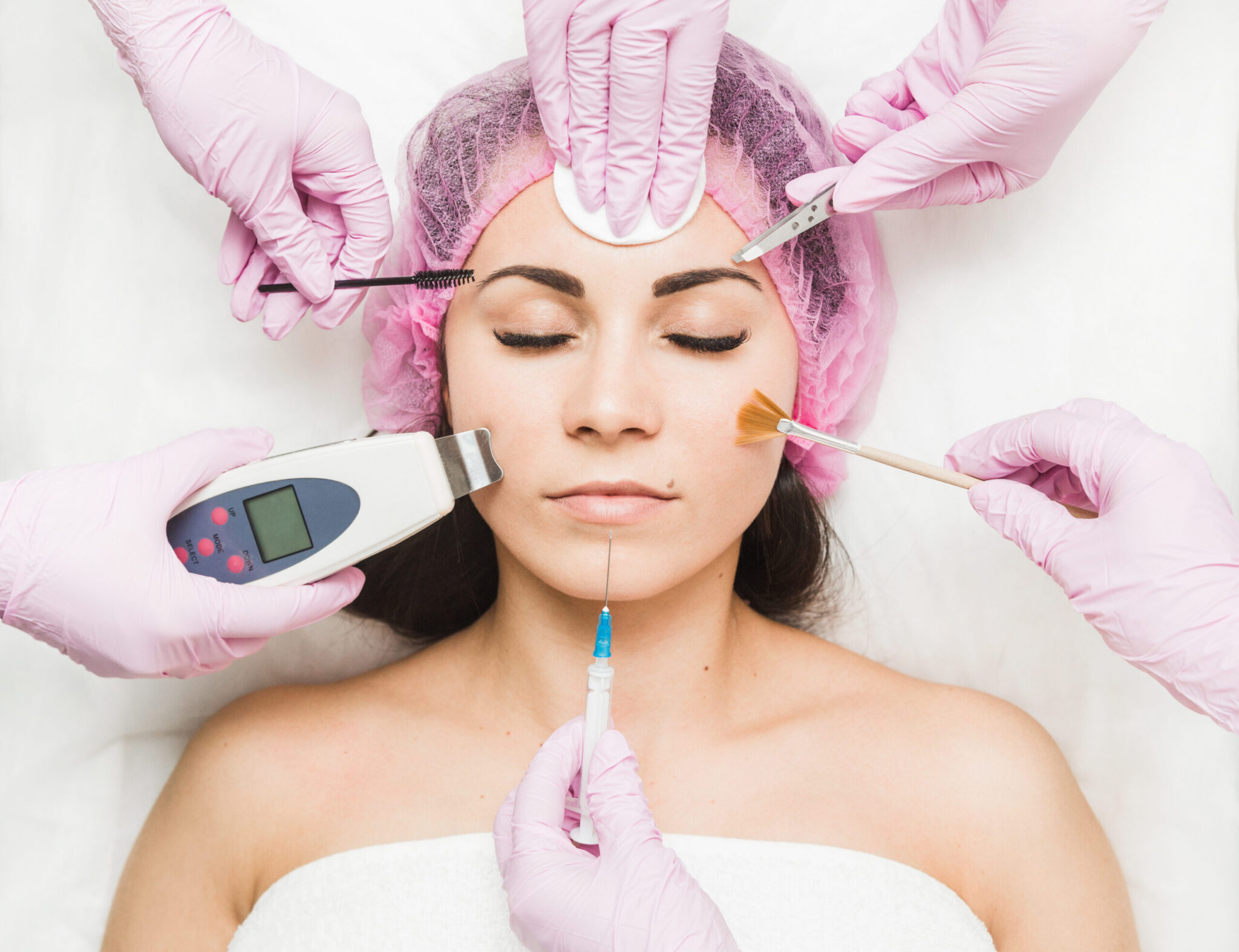
Non-surgical facial rejuvenation treatments, such as injectables, chemical peels, laser skin resurfacing, and other energy-based treatments, are growing in popularity as a way to smooth, tighten, lift, or create a facelift effect without surgery.
Whether you want to change your facial contours without surgery, explore options to tighten and lift skin, or quickly exfoliate and hydrate to combat winter fatigue, non-surgical solutions are available.
In this guide, the medical aesthetic experts at The Lett Center near Nashville, Tennessee, explain what you need to know about non-surgical facial rejuvenation so you can decide whether a surgery-free approach is right for you and, if so, the most effective non-surgical treatment based on your goals and results timeline.
What Is Non-Surgical Facial Rejuvenation?
Non-surgical facial rejuvenation is any type of minimally invasive cosmetic procedure that doesn’t require surgery. Injectables like Botox and dermal fillers, lasers, non-laser energy-based treatments, and chemical peels are all examples.
Non-surgical facial rejuvenation treatments may help address concerns such as:
- Fine lines and wrinkles
- Loss of facial volume
- Uneven skin texture
- Dull skin tone
- Enlarged pore
- Mild skin laxity
- Imbalances in facial contours, such as the jawline, chin, lips, cheeks, or nose
Depending on the treatment, non-surgical facial rejuvenation achieves these improvements through deep exfoliation, skin resurfacing, collagen stimulation, improved hydration, volume replenishment or creation, or relaxation of overactive facial muscles.
Popular Non-Surgical Facial Treatments
There are many popular facial treatments that don’t require surgery, and with advancements in non-surgical facial rejuvenation and the growing demand for less invasive options, new treatments continue to emerge.
In 2026, most non-surgical facial rejuvenation treatments fall into a few broad categories based on how they work and the concerns they address.
Injectables: Neurotoxins and Fillers Explained
Injectables are popular for non-surgical facial rejuvenation because they are non-invasive, quick, cost-effective, and provide visible improvement for months. Neurotoxins and fillers offer unique benefits, and pairing them often creates a balanced, natural-looking result.
Neurotoxins
Neurotoxins, also known as neuromodulators, such as Botox, as well as Daxxify, a peptide-powered wrinkle reducer, are designed to temporarily relax overactive facial muscles that contribute to expression lines.
These treatments are most commonly used on the forehead, between the brows, and around the eyes, where repeated movement can lead to visible lines over time. They can also be used on areas of the face, such as the jawline or chin, for subtle facial contouring.
Dermal Fillers
Dermal fillers provide non-surgical facial rejuvenation in a different way than Botox. Rather than affecting muscle activity, fillers restore or enhance volume in areas of the face that may appear hollow, flattened, or less defined.
Fillers may be used in the cheeks, lips, jawline, chin, or other areas where volume loss or contour imbalance is a concern. Research also suggests they can produce a lifting effect in certain areas of the face.
Injectables vs Surgery: Effects That Can Be Achieved With Injectables
Injectable treatments are not as dramatic or long-lasting as surgery, but when performed by a highly skilled injector, they can achieve certain aesthetic effects that previously required surgery.
- Facelift: Fillers can restore volume in key areas and even provide variable lifting effects, while neurotoxins are injected to soften expression lines, creating a refreshed appearance known as the “liquid facelift”.
- Brow Lift: Neurotoxins can be strategically injected to subtly elevate the brow by relaxing muscles that pull it downward.
- Nose Job (Rhinoplasty): Injectables can be used in a technique often referred to as a liquid nose job. Hyaluronic acid dermal fillers add volume to improve symmetry, smooth humps, or raise the tip. Botox can relax muscles, which may help improve the appearance of a droopy tip or reduce the appearance of flared nostrils.
- Cheek or Chin Implants: Dermal fillers can be used to restore volume or enhance projection in the cheeks or chin, creating improved facial balance.
Skin Resurfacing Treatments: Chemical Peels, Lasers, and Other Energy-Based Treatments
Skin resurfacing treatments, including chemical peels, lasers, and non-laser energy-based devices, are designed to improve skin texture, tone, laxity, and appearance by removing outer damaged layers and stimulating collagen growth.
They are all quick, surgery-free treatments, but range in invasiveness and downtime, from only a day or two of irritation for a light chemical peel facial to more intensive, longer recovery periods for deep lasers.
Chemical Resurfacing (Chemical Peel)
A chemical peel uses topical chemical solutions to remove damaged outer layers of the skin and encourage new cell growth. They are often used to improve skin tone, texture, and clarity without the use of energy-based devices.
One of the main advantages of chemical peels is their versatility. They can be customized to be mild, moderate, or deeper depending on skin type, concerns, and tolerance for downtime.
Lighter chemical peel facials are often used to refresh dull skin, smooth rough texture, and improve mild discoloration, with minimal recovery time. Deeper chemical peels may be used to address more advanced signs of aging or sun damage and typically involve more noticeable peeling and downtime.
Laser Resurfacing
Laser skin resurfacing treatments, such as Vbeam or Clarity II, use focused light energy to improve skin texture, tone, laxity, and overall clarity. They work by targeting damaged skin layers and stimulating collagen remodeling beneath the surface.
Some laser resurfacing treatments are less invasive and designed to improve mild texture issues, uneven tone, or early fine lines with limited downtime. Others, such as CO2, may be selected for deeper wrinkles, more pronounced texture irregularities, or significant sun damage, but are much more invasive and typically require several weeks of recovery.
Laser resurfacing is often chosen when skin texture and tone concerns are more advanced or when chemical peel options have not provided sufficient improvement.
Non-Laser Energy-Based Treatments
Lasers are one kind of energy-based treatment, but less-invasive technologies like fractionated radiofrequency (Fractora), ultrasound, or light-based devices also deliver controlled energy beneath the skin without removing outer layers.
The exact effect varies based on the device used. Some excel at skin tightening, while others reduce wrinkles, improve skin complexion, or reduce skin irregularities, such as acne and scars.
Non-laser energy-based treatments are often combined with chemical peels or laser resurfacing to create a “layered” rejuvenation effect that a single treatment can’t achieve.
Skin Resurfacing vs Surgery: Effects That Can Be Achieved With Skin Resurfacing
Non-surgical skin resurfacing treatments cannot physically remove significant amounts of excess skin or reposition deeper fat and tissue structures the way surgical procedures do.
However, with the right deep skin resurfacing treatment, you may be able to achieve mild skin tightening and surface-level improvements similar to those targeted with certain surgical procedures.
- Facelift: Some deeper, more invasive laser resurfacing techniques that remove the outer layers of the skin and stimulate significant collagen remodeling can be so effective at skin tightening, improving skin texture, and reducing fine lines that they are often referred to as a “laser facelift”.
- Eyelid Lift: More intensive resurfacing treatments can improve the appearance of crepey or mildly lax eyelid skin, creating a modest effect that may resemble certain aesthetic improvements associated with eye surgery.
- Neck Lift: Energy-based treatments may help improve skin texture and mild neck laxity by stimulating collagen and elastin, resulting in a firmer, smoother-looking neck over time.
- Brow Lift: Results aren’t as drastic and develop gradually rather than providing the immediate structural lift achieved with surgery, but the tissue-tightening benefits of certain energy-based treatments may create subtle brow elevation over time.
What Non-Surgical Treatment Is Right for Me?
Because non-surgical facial rejuvenation treatments address different aspects of facial aging and skin health, choosing the right option often comes down to understanding which concerns matter most to you.
The right non-surgical facial rejuvenation approach depends on the results you want to achieve, how quickly you want to see them, and how much downtime you are willing to accept.
Matching Treatments to Your Primary Goals
While there is overlap between treatment categories, certain concerns tend to respond better to specific approaches.
- If your main concern is expression lines or wrinkles caused by facial movement, injectable neurotoxins are often the first option considered.
- If you notice a loss of facial volume or want to change your facial contour, dermal fillers may help restore structure and balance.
- If skin texture, dull tone, minor sun damage, or surface lines are your primary concerns, chemical peels are a good starting point.
- If deeper lines, skin laxity, age spots, or more advanced texture or skin damage are the concern, laser resurfacing is usually the best option.
- If milder skin laxity, early signs of aging, or fine textural irregularities are present, certain energy-based treatments may help improve firmness and overall skin quality.
- Seasonal concerns, such as winter skin fatigue, which can cause dryness, rough texture, and dullness, often drive interest in treatments that produce quicker visible improvement. In these cases, a mild-to-moderate chemical peel followed by a hydrafacial once the skin has healed is often a good choice.
- If you are dealing with multiple concerns at once, such as wrinkles, volume loss, and uneven texture, a combination of treatments is likely the best choice to create a comprehensive, non-surgical facelift-style effect.
Results, Onset, and Recovery Considerations
- If you want minimal downtime and relatively fast results, injectables are a good choice. Neurotoxins typically take about one to two weeks to fully take effect, while dermal fillers provide immediate volume, with final results becoming clearer as swelling resolves over the following weeks.
- If you prefer little to no downtime and are comfortable with results developing gradually, non-laser energy-based treatments may be an option, as improvements typically appear over weeks to months as collagen production increases.
- If you are willing to accept several days to a few weeks of skin recovery and gradual results, chemical peels or laser resurfacing may offer more noticeable improvements in skin tone, texture, and clarity, with results continuing to develop as the skin heals and regenerates.
Non-Surgical Treatment Frequently Asked Questions
How much does non-surgical facial rejuvenation cost in Nashville?
Costs vary based on the treatment type, areas treated, and how much product or technology is used.
Injectables are commonly priced per unit or per syringe, with neurotoxins ranging roughly $10–$20 per unit and dermal fillers priced from a few hundred dollars to over a thousand dollars per syringe or half syringe.
Chemical peels usually start around $150, while laser or energy-based treatments range from a few hundred dollars to several thousand dollars per session, depending on treatment depth and complexity.
What is the recovery time for non-surgical facial treatments?
Recovery depends on the treatment. Injectables typically involve little to no downtime, and non-laser energy-based treatments often have minimal downtime. Chemical peels and laser resurfacing range from minimal irritation for a few days to several weeks of visible recovery.
How long do non-surgical facial rejuvenation treatments last?
Results from non-surgical treatments vary by treatment, metabolism, and individual lifestyle factors.
- Most neurotoxins, like Botox, start to wear off after a few months.
- Daxxify generally lasts longer, with results shown to last, on average, 6 months and up to 9 months for some.
- Dermal fillers may last six months to a year or longer, depending on the product and placement.
- With proper maintenance, results from skin resurfacing and energy-based treatments (lasers, radiofrequency) can last several years, with deep treatments possibly up to 10 years.
Creating a Personalized Non-Surgical Facial Rejuvenation Plan at The Lett Center Plastic Surgery and Medspa
A personalized non-surgical treatment plan helps balance results, recovery, and expectations, ensuring the approach aligns with both your goals and your lifestyle.
At The Lett Center, non-surgical facial rejuvenation begins with a personalized consultation. An experienced provider will evaluate your skin and facial structure, and ask about your aesthetic goals to determine which treatment makes sense now, which may be better over time, and whether a combination approach is appropriate.
If you are considering non-surgical facial rejuvenation, schedule a consultation at The Lett Center to discuss your options.
https://www.americanboardcosmeticsurgery.org/
https://www.plasticsurgery.org/
https://pubmed.ncbi.nlm.nih.gov/41464729/
https://pubmed.ncbi.nlm.nih.gov/28547293/
https://pmc.ncbi.nlm.nih.gov/articles/PMC10550030/
https://www.aafprs.org/AAFPRS/Procedures/Facial-Rejuvenation/Skin_Resurfacing.aspx