

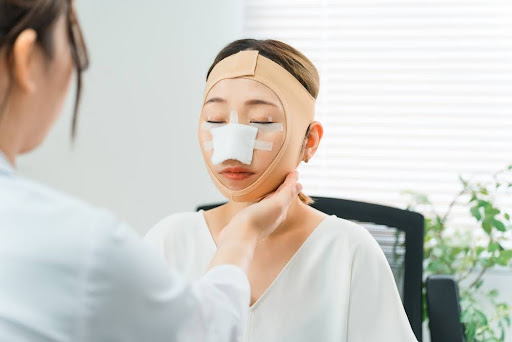
When preparing for plastic surgery, it’s essential to understand the recovery process for your procedure so you can set realistic expectations and plan for proper post-operative care.
While most plastic surgery procedures follow a similar pattern of progressive healing, recovery timelines vary based on the specific surgery, surgical techniques used, your overall health, and how closely post-surgery instructions are followed.
This expert guide outlines what recovery generally looks like for the most popular plastic surgery procedures, helping you understand how healing unfolds over time, including how much time you may need off work or school, when you can safely resume exercise, when to expect key recovery milestones, and how to support a smoother recovery.
Breast Augmentation
How Long Does Breast Augmentation Recovery Take?
While every patient heals differently, recovery from breast augmentation is often much shorter than most people anticipate and follows a predictable progression.
Breast Augmentation Recovery Timeline
The First One to Two Weeks
- Swelling, tightness, and soreness across the chest will peak in the first few days after surgery and then gradually subside.
- The breasts will feel firm and sit higher on the chest. This is normal during early healing.
- Temporary numbness, sensitivity, or a “pins and needles” sensation is common due to nerve irritation.
- Light walking is encouraged, but lifting, carrying, reaching, pushing, and repetitive arm movements should be avoided.
- Most people return to work after breast augmentation within five to seven days, often sooner. Physical jobs may require a little more time.
Weeks Three Through Eight
- Most acute swelling should resolve within a few weeks, though mild residual swelling is common.
- Tightness should improve significantly and continue to get better each week.
- Implants should begin to drop and soften noticeably.
- Daily activities should feel easier. Moderate activity with limited upper body involvement can typically be reintroduced.
Months Three Through Six
- Very mild residual swelling may linger, but is typically not noticeable.
- The breasts should sit much lower and feel softer.
- Mild residual tightness or numbness may persist but should continue to fade.
To learn more, read “Preparing for Breast Augmentation Surgery: A Step-by-Step Guide.”
When Can I Exercise After Breast Implants?
Returning to exercise or sports after breast augmentation should be a gradual process. Your surgeon will guide you on when it is safe to return to the type of exercise you want to do.
Generally, light walking is encouraged in the days following surgery, but other forms of exercise should be limited for one to two weeks to protect healing tissues.
Lower body workouts and moderate cardio can usually resume after two to three weeks, and you can typically start light upper-body strength training around six to eight weeks after breast augmentation.
However, you should hold off on heavy upper-body lifting for a minimum of two to three months, sometimes longer, for chest exercises. Always get your surgeon’s clearance first to avoid implant issues such as displacement.
When Do Breast Implants Completely Settle and Feel Normal?
Some softening and settling (drop and fluff) may occur in the first few weeks, but noticeable improvements typically don’t appear until two to three months after surgery.
Most implants are well-settled and look and feel more natural by around three months. Shape and softness will continue to refine, with near-final results by six months, although full maturation can take up to one year.
Tummy Tuck
How Long Is Tummy Tuck Recovery?
Recovery after a tummy tuck depends on the extent of surgery, whether abdominal muscle repair is performed, and the individual’s healing response. Because the procedure involves the abdominal skin, connective tissue, and, often, the underlying muscles, recovery is more extensive than many other plastic surgery procedures.
Tummy Tuck Recovery Timeline
The First One to Two Weeks
- Swelling, abdominal tightness, and limited mobility are expected.
- You should not lift or engage your core. Most patients will need help at home and should avoid driving.
- Surgical drains are common and are typically removed within 5 to 14 days.
- Compression garments should be worn for two to four weeks.
- Light walking is encouraged, but standing fully upright may take time. You will need to walk slightly bent forward during the first several days to reduce tension on the incision.
- Most patients take 2 weeks off work after tummy tuck surgery, with a longer time away sometimes needed for physically demanding jobs.
Weeks Three Through Eight
- Swelling and tightness continue to decrease.
- Posture improves, and mobility increases. Most patients can stand upright by weeks two to three.
- Daily activity feels easier, but core exercises and heavy lifting remain restricted.
- Compression garment use may be adjusted.
Months Three Through Six
- Swelling should be largely resolved, and the abdomen should feel more comfortable with movement.
- Residual tightness or altered sensation can persist in some patients but should fade with time.
- Strength and flexibility gradually return, though complete internal healing may continue beyond this phase.
To learn more, read “What to Expect With A Tummy Tuck.”
When Can I Exercise After a Tummy Tuck?
Light walking is encouraged early in recovery, often within the first few days. More strenuous activity is delayed to protect the abdominal repair.
Most patients can begin gentle exercise after four to six weeks. Core exercises, strength training, and high-intensity workouts are typically not allowed for two months, sometimes longer if muscle repair was performed.
How Painful Is Tummy Tuck Recovery?
Pain levels depend on the extent of the procedure and whether muscle repair was performed. Discomfort is most noticeable during the first several days and is commonly described as tightness or pressure. Pain improves steadily over one to two weeks as swelling decreases and mobility increases.
Facelift
How Long Does Facelift Recovery Take?
Facelift recovery varies based on the surgical technique used, the areas treated, and individual healing response, but if all post-op instructions are followed, it typically follows a fairly predictable healing timeline.
Facelift Recovery Timeline
The First One to Two Weeks
- Swelling, bruising, and tightness should be expected, especially around the jawline and neck. Bruising may travel downward as it fades.
- Discomfort is typically mild to moderate and most often described as tightness or pressure.
- Light walking is allowed, but bending, lifting, and activities that raise blood pressure should be avoided.
- Most patients take 1 to 2 weeks off work and social activities after a facelift. Sometimes, an additional week or two is necessary for physical or public-facing roles.
Weeks Three Through Eight
- Swelling and bruising improve significantly. Facial contours become more defined, though mild tightness or numbness may persist.
- Moderate activity may be reintroduced gradually, but activities that strain the face or neck should still be limited.
Months Three Through Six
- Swelling should be gone. However, residual swelling, especially around the jawline or neck, may persist.
- Any lingering firmness or altered sensation typically continues to fade.
- Most patients feel back to normal and are comfortable in all social and professional settings.
To learn more, read “Facelift 101: What to Expect During Recovery & Tips for a Smoother Healing Process.”
When Can I Exercise After a Facelift?
Your surgeon will guide you on when it is safe to resume exercise based on your individual recovery.
Generally, walking is encouraged early, but activities that involve bending over, straining, or significantly raising the heart rate should be avoided for a couple of weeks.
Low-impact exercise can usually resume after 2 to 3 weeks. Strenuous workouts and heavy lifting can typically resume four to six weeks post-op.
How Long Until I See the Final Results From a Facelift?
Swelling will mask results for several weeks, so it will take about a month before you begin to see noticeable, natural-looking improvement, with final results developing over three to six months. Subtle refinements may continue up to one year.
Liposuction
How Long Does Liposuction Recovery Take?
While many patients feel physically well relatively quickly after liposuction, there is still a recovery period that varies depending on the areas treated, the amount of fat removed, individual healing response, and whether you choose traditional liposuction or Vaser Liposelection, which is less invasive.
Traditional Liposuction Recovery Timeline
The First One to Two Weeks
- Swelling, bruising, soreness, and firmness in the treated areas are common. These areas may also feel tender or tight, or appear uneven as fluid shifts and healing begin.
- Compression garments are worn around the clock after liposuction, usually for several weeks.
- Light walking is encouraged to promote circulation, but lifting, strenuous movement, and intense activity should be avoided.
Weeks Three Through Eight
- Swelling continues to decrease, and bruising has typically resolved.
- Treated areas begin to feel softer and more comfortable, though some firmness or sensitivity can persist.
- Daily movement feels easier, and you should be able to resume most normal routines.
- You will likely still need to wear a compression garment. However, you might only need to wear it overnight or for shorter durations during the day. You may also be transitioned into a lighter garment.
Months Three Through Six
- Most swelling has resolved, which means body contours should appear more refined.
- You should feel fully recovered by this point and able to resume all regular activities.
- Treated areas feel more natural with movement, and any remaining firmness continues to improve.
- You should no longer need to wear compression garments after three months.
When Can I Exercise After Liposuction?
Exercise is essential after liposuction to maintain results, but you don’t want to jump in too quickly. Your surgeon will advise you on when it is safe to resume exercise, based on the areas treated and your individual recovery.
Light walking is encouraged as soon as you feel up to it. Moderate exercise typically resumes after two to three weeks. Intense workouts and heavy lifting can typically resume in four to six weeks.
Will I See Results Immediately After Liposuction?
You will not be able to see the results of liposuction right away due to swelling and fluid retention. You’ll start to see noticeable changes in a few weeks as swelling decreases, but final liposuction results typically appear within three to six months. However, some lingering settling may continue up to a year.
FAQ: Tips for Optimal Healing After Plastic Surgery
While each plastic surgery procedure has its own recovery symptoms and timeline, many of the same healing principles apply.
Here are a few of the most common questions we receive about healing after plastic surgery, along with answers from our expert plastic surgery team:
How can I support a smooth recovery after plastic surgery?
The most important thing you can do after plastic surgery is follow all postoperative instructions closely. Also, ensure that you get adequate rest, stay hydrated, eat a balanced diet, don’t rush into activities too soon, and attend follow-up appointments to monitor healing.
What foods help with plastic surgery recovery?
Focus on balanced, whole food meals that support healing. Adequate protein intake is essential for tissue repair, while healthy fats help manage inflammation. Nutrients such as vitamin C support collagen production and immune function, antioxidants help protect healing tissues, and vitamins A and D support skin and tissue repair. Complex carbohydrates provide the energy your body needs during recovery.
What should I avoid after plastic surgery?
After surgery, it is crucial to avoid nicotine products, alcohol, sun exposure on healing incisions, and returning to activity too soon, as these can delay healing and increase the risk of complications. It is also best to avoid blood-thinning medications unless approved by your surgeon, as they can increase bleeding.
How can I reduce swelling after plastic surgery?
Compression garments and light movement, such as walking, help manage swelling. So does limiting salty foods. Elevating the treated area when possible can also support fluid drainage. Your surgeon may recommend additional strategies based on your procedure.
Schedule a Consultation at The Lett Center in Middle Tennessee to Discuss Your Plastic Surgery Recovery Timeline
At The Lett Center in Lebanon and Mt Juliet, TN, recovery planning is a core part of surgical care.
You will receive personalized guidance, clear expectations, and ongoing support from our board-certified esthetic and reconstructive plastic surgeon and surgical team so you can feel confident at every stage of healing and in your long-term results.
For a more accurate recovery timeline based on your procedure and individual needs, schedule a plastic surgery consultation with Dr. Lett today.