

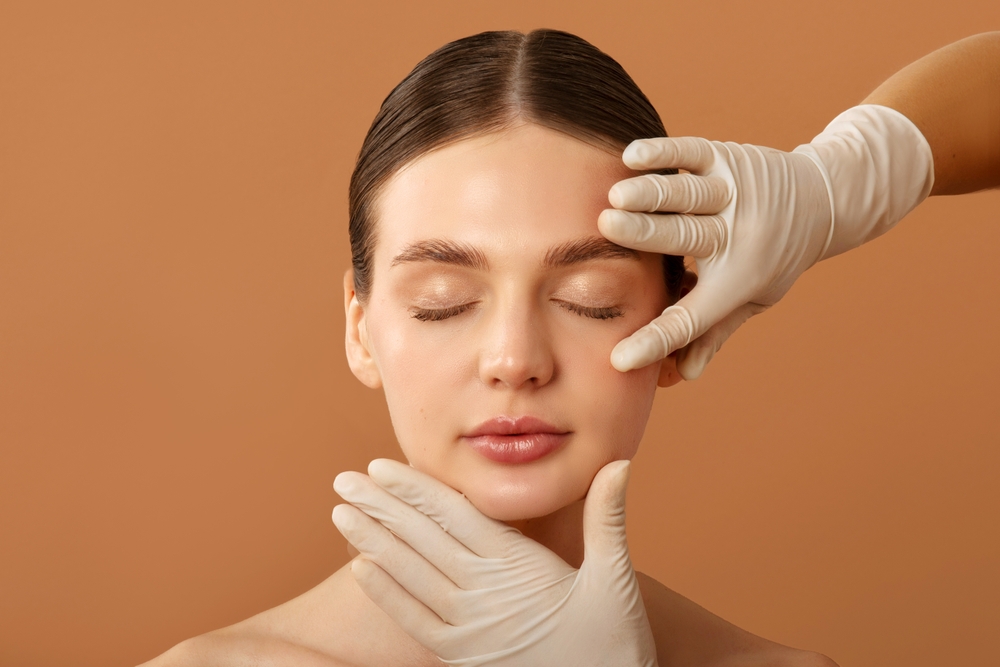
Plastic surgery can change lives. Whether achieved through subtle enhancements or more significant body modifications, these procedures can have a profound impact on the individual’s self-confidence, appearance, and even health. Some patients pursue plastic surgery to correct a medical condition or restore a youthful or balanced appearance. Others seek the enhancement path to feel more confident in their bodies. The reasons vary widely, but what remains consistent across all patients planning plastic surgery is the need to evaluate health factors carefully beforehand.
At the Lett Center, we believe that plastic surgery is more than just a physical transformation; it’s an emotional and psychological investment in yourself. A successful surgical procedure begins long before you enter the operating room. The best candidates are those whose bodies, minds, and lifestyles prepare them for a safe procedure and a smooth recovery.
Below, we explore key factors to consider before pursuing plastic surgery.
Alcohol Consumption
One of the first things your surgeon will ask about is how often you drink alcohol. Heavy or regular alcohol consumption introduces the risk of complications during anesthesia, excessive bleeding, delaying the healing process, and medication interactions.
- Anesthesia Risks: Administering anesthesia is a delicate process that can be affected by alcohol, increasing the risk of breathing problems, bleeding, nausea, and cardiovascular issues during surgery.
- Bleeding Risks: Alcohol consumption thins blood, increasing the risk of excessive, uncontrolled bleeding during and after surgery. Bleeding complications not only prolong the surgery itself, but can delay healing and increase the chance of revision surgery or infection.
- Delayed Healing: When alcohol is regularly consumed, immune function may be suppressed, and wound-healing processes slowed. It can cause swelling, which increases the overall recovery time.
- Medication Interaction: Many patients undergoing plastic surgery are prescribed pain medications, antibiotics, or blood-thinning medications.
Be prepared to disclose your alcohol use honestly. Many surgeons will recommend abstaining (or significantly reducing) for a period before and after surgery to optimise safety and healing.
Current Weight and History of Weight Changes
Your body weight and your recent weight history are significant to consider when embarking on a plastic surgery journey. If you have a high body mass index (BMI), are obese, or have had recent large fluctuations in weight, you may be at risk for complications.
Such risks include: anesthesia complications and cosmetic results.
- Anesthesia and Surgical Risks: Higher BMI is associated with complex airway management. This increases the risk of blood clots, infections, and poor wound healing.
- Cosmetic Result: Rapid weight loss or gain can stretch or sag skin, making the aesthetic outcome less predictable.
Maintaining a stable weight for 6 to 12 months before surgery is essential. If a patient experiences rapid weight fluctuations before or after surgery, this can delay healing.
Daily Nutrition and Vitamins
What you eat and the nutrients you supply your body with matter a lot. Some essential vitamins and minerals to take for plastic surgery include: protein, vitamin C, vitamin E, Vitamin A, Zinc, and Omega-3 fatty acids.
- Protein: One of the most crucial building blocks of healing. Wounds need protein to regenerate tissue, skin, and blood supply.
- Vitamins and Minerals:
- Vitamin C helps collagen formation.
- Vitamins A and E are involved in skin health and immune function.
- Zinc plays a critical role in wound healing and immune response.
- Omega-3 fatty acids can reduce inflammation and promote blood flow.
Poor nutrition can increase the risk of delayed wound healing, increased infection risk, more extended hospital stays, and anesthesia complications.
Exercise Habits, Types of Exercises Practiced, and Frequency
Patients who maintain a healthy exercise routine before surgery generally experience a lower risk of complications and a smoother recovery. Before plastic surgery, focus on cardiovascular fitness and incorporate strength-training exercises that engage your core and major muscle groups.
- Cardiovascular Fitness: Engaging in moderate aerobic exercise, such as walking, swimming, and cycling, can help maintain cardiovascular health. This strengthens lung capacity, resulting in good circulation for healing.
- Strength Training: Toning the main muscle groups supports your body during recovery, especially after procedures like tummy tucks or body lifts.
Patients who maintain consistent exercise routines tend to have smoother recoveries, less time under anesthesia, and fewer post-operative mobility issues. Consult your doctor about the safest time to resume workouts post-surgery.
Sleep Patterns
A good sleep routine is vital for a strong immune system and proper healing. The effects of poor sleep patterns before plastic surgery include: worsened pain control, delayed psychomotor recovery, higher risk of post-operative delirium, increased procedure time, and higher anesthetic sensitivity.
- Immune System and Healing: Poor sleep weakens immune function and slows tissue repair.
- Anesthesia Sensitivity: Patients with irregular sleep patterns or sleep disorders may be more sensitive to anesthesia.
- Pain Control and Mental Recovery: Without enough sleep, pain management becomes more difficult, and psychological recovery is also compromised.
The effects of poor sleep patterns post-operation include: delayed wound healing, compromised immune system, increased sensitivity, greater inflammation and swelling, poor final aesthetic results, and worse mental and emotional recovery. Quality sleep strengthens your immune system, regulates hormones, and prepares you for anesthesia and recovery. The Lett Center recommends establishing a steady sleep routine before surgery and prioritizing rest during recovery. Your body heals best when it’s well-rested.
Mental Health
Poor mental health negatively impacts plastic surgery safety by increasing the risk of physical complications, prolonging recovery, and leading to dissatisfaction with the results.
- Expectations and Satisfaction: Patients with realistic goals, more stable mental health, and proper motivation are far more likely to be satisfied with their outcomes.
- Stress Management: High stress levels impair healing. Stress increases cortisol, reduces immune function, and can even interfere with sleep.
Surgeons should screen for mental health before surgery to ensure realistic expectations and prioritize the patient’s well-being.
Sun Exposure
Skin quality and prior sun exposure can dramatically affect both the surgery itself and final results.
- Before Surgery: Excessive sun exposure leads to more sun-damaged skin, weakening skin integrity. This leads to a higher risk of pigmentation changes and worsens scar quality. Before plastic surgery, you will want to avoid the sun by seeking shade, covering up, and using sunscreen.
- After Surgery: Sun exposure can increase swelling and inflammation, worsen or discolor scars, increase your risk of sunburn, and cause cellular damage.
At The Lett Center, your post-operative care instructions will include sun-protection guidelines tailored to your procedure.
Underlying Health Conditions
Finally, and perhaps most importantly, any underlying health conditions must be disclosed and optimised before surgery. These include cardiovascular disease, diabetes, autoimmune conditions, bleeding disorders, thyroid dysfunction, and more.
- Anesthesia and Surgical Risk: Patients with uncontrolled conditions face a higher risk of intraoperative complications and slower recovery. Underlying health conditions increase the risk of blood clots and affect how the patient would react to anesthesia.
- Healing and Infection Risks: Conditions such as diabetes or immune disorders can lead to poorer wound healing, a higher risk of infection, and may require more extended hospital stays or specialized follow-up care.
- Tailored Surgical Plan: Your surgeon may tailor the procedure to your health profile.
These eight factors do not operate in isolation. They reflect your overall health and readiness for change. A well-planned cosmetic or reconstructive surgery is not about how well your body responds and recovers. Many of these factors should be discussed in relation to the procedure you would like. This list is a good starting point, but it isn’t exhaustive. Each patient has their own personal needs and should discuss anything else that comes to mind when a consultation is scheduled or research is being done. If some of these factors affect your life, a few can be changed through your personal choices. This can also be discussed with your surgeon.
What to Discuss With Your Surgeon
- When you schedule a consultation, use this list as a starting point for meaningful questions.
- Which of these health factors are most critical for the specific procedure I am considering?
- What changes should I make now? Will improving my diet, sleep, exercise, sunscreen use, or alcohol intake improve my outcome?
- What is the expected recovery timeline, and how will my current habits influence it?
- Do I need any medical clearances, given my underlying conditions?
- What nutrition or supplement plan would you recommend pre- and post-operation? How would I approach herbal supplements or over-the-counter vitamins?
The Range of Services Offered at The Lett Center
At the Lett Center, a broad spectrum of procedures and services is offered. We cover everything from major body-contouring surgery to non-surgical aesthetic treatments. Whether your goal is enhancement, restoration, or simple refinement, your journey begins with understanding your body’s readiness.
- Body Procedures: Body lift, tummy tuck, breast augmentation, facelift, eyelid surgery, etc.
- Injections: A range of dermal fillers, Botox, Juvederm, etc.
- Medi-Spa Services: Laser skin treatments and laser hair removal, among other services.
One of the most important questions a patient can ask themselves is why exactly they would like the surgery done. Is it for them, for a necessary modification, or to increase their overall happiness? A plastic surgery procedure should be a life change for the better and a chance to have the body you have always wanted. The Lett Center can help you get there.
If you are interested in a specific surgery, these eight factors offer a valuable checklist. Ask about what procedure fits your goals, what health improvements will optimize your outcomes, and how your surgeon will tailor the plan for you. At The Lett Center, you’ll find a team ready to listen, guide your preparation, and help you move forward confidently. If you’re interested in a specific surgery or would like to learn more about your options, schedule a consultation today.