

Given the ever-evolving beauty industry, there are dozens of PDO threads to choose from today than when they were first used. The best way to choose which ones are right for you is to consider your aesthetic goals, your skin concerns, and what types of threads exist.
PDO threads aren’t new; they’ve been used in medicine for decades, primarily in surgical procedures to close wounds. However, using them in a cosmetic setting to provide aesthetic results similar to a facelift is a relatively new way lifting threads are utilized. Since doctors have started using them for cosmetic reasons, many different types of facelift threads have been created to address specific aesthetic concerns.
What are PDO Threads?

PDO threads (Polydioxanone threads) are a safe, non-surgical option for lifting and tightening sagging skin. Made from the same biodegradable material used in surgical sutures for over 30 years, these ultra-thin threads provide immediate results while also stimulating collagen production to improve skin firmness and elasticity over time.
As we age, collagen naturally declines. PDO threads help reverse this by triggering the body’s own rejuvenation process. Though the threads dissolve within about six months, the effects can last 12 to 16 months, and in some cases, up to two years.
Types of PDO Threads
Various lifting threads are available on the market, each with different purposes. The type of PDO thread that you choose will be based on your needs and goals.
That said, regardless of which kind of PDO thread you choose, the primary goal and main outcome are the same. They gently lift and tighten and affect the tissue underneath your skin, kickstarting your body’s natural healing process and production of new collagen.
There are two main types of PDO threads: smooth threads and lifting threads. At the Lett Center, we use the VSoft Lift line of PDO threads. The manufacturer recommends specific uses for each type of VSoft PDO thread, which are listed below.
The different types of PDO threads include:
- Smooth threads (Mono Threads): Smooth threads are single-strand PDO threads used to tighten skin, improve texture, and reduce fine lines. They’re versatile, low-risk, and often used on the cheeks, lips, neck, and jawline for subtle rejuvenation.
- Mini-series smooth threads (Twisted Threads): These are smooth threads that have been twisted to offer enhanced support and collagen stimulation. They’re ideal for sagging areas like the jowls or neck and help with deep scarring and volume restoration.
- Arte lifting threads: Arte threads are molded with barbs, offering strong lift and support for heavier tissue. They’re best for areas like the lower face and neck that need more substantial tightening and contouring.
- Barb Star lifting threads: Barb Star threads feature specialized barbs or cones that grip and lift tissue, making them great for vector lifts. They’re particularly effective for patients with thin skin and can be used on the face, neck, brows, and even the body.
However, this does not mean these are the only ways PDO threads can be used. It’s important to note that a board-certified practitioner with expertise in PDO thread lifts can provide many types of creative enhancements with PDO thread technology.
What Should I Consider Before Getting a PDO Thread Lift?
Before getting a PDO thread lift, it is important to determine whether PDO threading aligns with your anatomy and aesthetic concerns. You’ll also want to consider how long you want results to last, how quickly you expect to see improvement, and whether the provider performing the treatment is properly trained and experienced in thread placement.
Here are the main factors to consider:
- Ideal candidacy: A PDO thread lift is often best for patients in their 30s to 50s with mild to moderate sagging, decent skin thickness, and no severe laxity. A full medical review is also important. Certain autoimmune conditions, active skin infections, bleeding disorders, or medications that affect healing may influence candidacy.
- Skin concerns and treatment area: PDO threads are typically used for early jowling, mild jawline laxity, midface softening, and subtle sagging. Some areas require more structural lift, while others benefit primarily from collagen stimulation, which affects thread selection and expected results.
- Your aesthetic goals: Threads provide subtle lift and gradual firmness. If your primary concern is dynamic wrinkles, volume loss, or skin texture, treatments such as neuromodulators, dermal fillers, laser resurfacing, or radiofrequency therapies may be more appropriate. For advanced sagging, a surgical facelift offers more dramatic, longer-lasting correction.
- Timeline expectations: You may see a mild immediate lift, but collagen production develops gradually over several months. Results are not instant or permanent.
- Provider experience: Proper placement requires detailed knowledge of facial anatomy and safe technique. Choosing a qualified, experienced provider is critical for both safety and aesthetic precision.
How to Choose the Right Type of PDO Threads for Your Skin
The type of PDO thread that you choose will be based on your needs and goals. If you are looking for immediate structure, then a twisted, smooth thread might be the best option. If you are wanting to improve the appearance of scars or want lip definition, then a mini-smooth thread would be a good option. For someone with thin skin and wanting a nonsurgical facelift, Barb Star threads might be the best option.
There are additional factors you should consider when choosing a type of lifting thread for you, including:
- Skin Thickness: Thick skin may require a lifting thread with extra traction, such as a barb or cog design, to get skin to lift and contour. Thin skin responds well to finer threads like mono threads, as they don’t cause overstimulation.
- Treatment Area: Different areas across your face may need different threads to achieve a certain result, such as using barbed threads to lift around your jawline and cheeks. For fine areas like around the eyes or forehead, mono threads can help since it takes less pull to lift the skin.
- Results: Finer lifting threads offer subtle results at first that build over time as the threads increase collagen production. Barbed threats are easier to see a change immediately, but they do require a skilled hand to achieve a natural look.
While it is important to educate yourself on the different types of PDO threads your practitioner might suggest, don’t get stressed out trying to decide which PDO thread is best for your skin.
That’s where we come in! During your complimentary consultation, our experienced PDO thread practitioner can help you choose the best type of PDO thread for your needs.
Benefits of PDO Threads
Now that you know the different types of PDO threads, let’s explore why they’ve become such a popular alternative to traditional facelifts.
- Cost-Effective and Quick: Lifting threads offer a budget-friendly alternative to facelifts, providing natural and instant results with minimal downtime. The exact cost of a PDO thread lift varies because the treatment is customized. In most U.S. markets, PDO threading may range from several hundred to several thousand dollars, depending on the scope of treatment. Pricing is typically influenced by the number of threads, thread type, treatment area, and provider experience and location. Because thread placement is tailored to your anatomy and goals, an in-person consultation is the only way to provide an accurate treatment plan and pricing estimate.
- Minimally Invasive: Unlike facelifts, PDO threads are inserted beneath the skin’s surface to lift and tighten sagging skin on the face, neck, and other areas of the body, avoiding the need for invasive surgery.
- Less Recovery Time: Facelifts often require several weeks of bed rest, while facelift threads allow you to return to work almost immediately. Though, avoiding strenuous activity for a week is best. Plus, facelifts often cause severe swelling that can last a month. However, lifting threads cause minimal swelling that goes down after a few days. It doesn’t take nearly that long to recover from a thread lift procedure. Thread lift recovery is usually quick with minimal downtime. You should plan for mild swelling, bruising, or tenderness that may last a few days to up to two weeks. You may also need to avoid strenuous activity and anything that puts pressure on the treated area, but most patients return to normal activities within a day or two. Your provider will give you specific aftercare instructions, including what to avoid and when you can safely resume workouts and use certain skincare products.
- Instant Results: Experience immediate skin lifting and tightening, perfect for those seeking quick improvements in their appearance.
- Long-term Benefits: Facelift threads promote collagen production, helping to reduce fine lines and wrinkles over time. This means your skin continues to improve even after the initial procedure.
- Post-treatment Ease: After 48 hours, you can gently resume your basic skincare routine and apply makeup as needed, making it easy to fit this treatment into your lifestyle.
PDO thread lifts using lifting threads are no doubt one of the hottest trends in facial rejuvenation. If you are looking for a surgery-free facelift or a safe way to mitigate the impacts of gravity and the aging process and rejuvenate your face over time, facelift threads are a great way to improve your facial features.
Are PDO Threads Effective for Skin Tightening on the Thighs?
PDO threads may help improve mild skin laxity on the thighs, but results are typically modest compared to surgical lifting procedures. They are generally more effective for smaller treatment areas with mild sagging.
For the thighs, it is important to evaluate:
- Degree of loose skin
- Skin thickness and quality
- Overall body contour goals
In cases of moderate to significant laxity, surgical body contouring procedures may offer more noticeable improvement. A consultation helps determine whether threads are appropriate or if another treatment would better match your goals.
What to Expect During and After a PDO Thread Lift Procedure
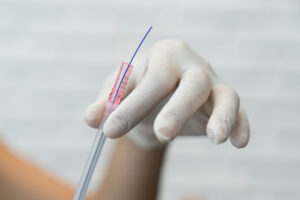
PDO threading is a minimally invasive procedure that most patients find comfortable with little to no pain, thanks to a numbing agent applied beforehand. The threads are gently inserted using a fine needle or cannula, placed beneath the skin to lift and tighten targeted areas.
The entire process typically takes less than an hour, making it easy to fit into a busy schedule. After treatment, you may experience mild swelling, bruising, or tenderness, which usually resolves quickly and can be managed with over-the-counter pain relief.
There’s minimal downtime, and most patients return to normal activities within a day. Your provider will offer aftercare instructions, including temporary restrictions on strenuous activity and certain skincare products to help you heal smoothly and achieve optimal results.
How to Maximize the Longevity of a PDO Thread Lift

While the threads dissolve within six months, results can last 12–18 months thanks to continued collagen production. PDO threads already offer long-lasting results, but with a few easy steps, you can potentially extend the life of your PDO thread lift even more!
Here’s a look at what you can do to ensure your rejuvenated appearance stays fresh and youthful.
- Craft a Consistent Skincare Routine: Use professional-grade skincare products catered to your skin type to support healing and maintain results.
- Stay Hydrated: Drink plenty of water daily to promote skin elasticity and a healthy, glowing complexion.
- Shield Your Skin: Wear broad-spectrum sunscreen every day to protect against UV damage and preserve collagen.
- Kick the Habit: Avoid smoking, as it accelerates aging and can diminish the long-term effects of your thread lift.
- Nourish from Within: Eat a balanced diet rich in fruits, vegetables, and essential nutrients to support skin health from the inside out.
What are the Risks of PDO Threads?
PDO thread lifts are generally considered low risk when performed by a qualified provider, but like any aesthetic procedure, you may experience side effects.
Most side effects are temporary and may include swelling, bruising, tenderness, or mild tightness that typically improve within one to two weeks. Less common but more serious complications can include infection, thread migration, visible dimpling, asymmetry, nerve irritation, or allergic reaction to materials used during the procedure.
The likelihood of complications is significantly reduced when threads are placed by an experienced, properly trained provider using an appropriate technique and sterile protocol.
Why Does One Eye Close More Than the Other After a PDO Thread Lift?
One eye appearing to close more than the other after PDO threading does not happen to everyone, but it is a potential side effect.
Common reasons include:
- Swelling and bruising: Uneven swelling from local anesthesia or normal post-procedure inflammation can temporarily make one eyelid look heavier or slightly more closed. As swelling decreases, symmetry often improves.
- Temporary tissue or muscle response: Mild irritation of surrounding tissues can influence how muscles function during early healing, creating a short-term imbalance.
- Natural facial asymmetry: Most people have subtle pre-existing differences in brow height, eyelid position, or muscle strength. When the skin is lifted, these natural asymmetries can become more noticeable.
- Thread placement or uneven tension: If threads are positioned at slightly different depths or tightened unevenly, one side may appear more lifted than the other. This highlights why choosing a qualified, experienced provider with a strong understanding of facial anatomy is important.
- Thread migration: In rare cases, a thread may shift from its original placement. This can happen with excessive early facial movement, pressure on the area, or significant swelling, and may temporarily affect symmetry.
While this can feel concerning, in many cases, the imbalance is temporary and improves within a few weeks as swelling subsides and the tissues settle into their new position.
If the imbalance does not improve after two to three weeks, or if you develop severe pain, increasing swelling, redness that feels warm to the touch, or notice a thread protruding through the skin, contact your provider promptly. These symptoms should be evaluated to rule out infection, improper positioning, or another correctable issue.
How To Fix Asymmetrical Eyelids
Fixing asymmetrical eyelids depends on the cause of the imbalance.
If asymmetry is caused by a procedure such as a PDO thread lift, the tissues often just need time to relax and settle, and you don’t need to do anything right away. As swelling improves and collagen begins to build, the area should soften and become more balanced on its own.
Occasionally, your provider may recommend a very gentle, specific massage technique to help the tissue settle more evenly, but this should only be done if you are clearly instructed to do so.
If asymmetry persists, refinement is often possible. An experienced provider can adjust tension, add support where needed, or use complementary treatments to improve overall balance.
The right solution starts with a proper evaluation, since the cause determines the treatment. A qualified provider can evaluate the eyelids and explain appropriate options based on the cause of asymmetry.
Schedule an Appointment for PDO Threads in Mt. Juliet & Lebanon, Tennessee
Of course, nothing can replace the dramatic effects of a modern-day facelift, but PDO threads certainly come close at a fraction of the cost and with minimal downtime.
If you want to learn more about PDO threads or other ways to enhance your beauty and rejuvenate your appearance, give The Lett Center a call to book your complimentary consultation.
The Lett Center offers a wide variety of PDO threads and other non-surgical skin treatments. We will work with you to determine your goals and the best way to provide you with stunning results.
Are there any patient reviews or before-and-after photos of treatments at The Lett Center?
Yes. The Lett Center has a before-and-after gallery. During your consultation, you can also ask your provider for additional images. We also have hundreds of reviews and feedback online.
Before-and-after photos are helpful for understanding a provider’s aesthetic style, but it’s important to understand that they are not a guarantee of results. Outcomes vary based on anatomy, healing response, and treatment plan.